Sabrent External Sound Card Mixxx
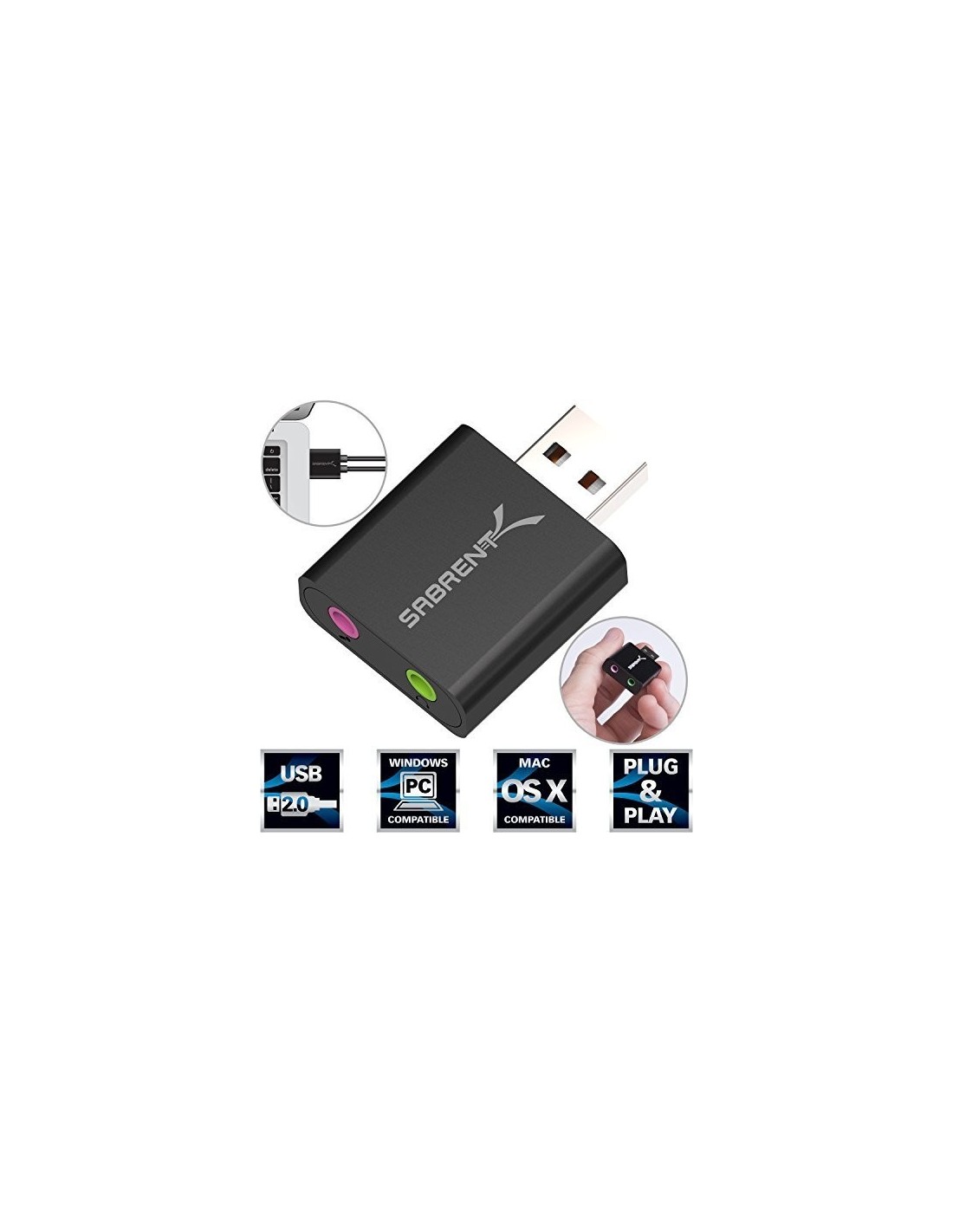
This Sabrent AU-MMSA 2.1 Audio Sound Card Adapter is a highly flexible audio interface, which can be used with either laptop or desktop system. No driver required, plug-and-play for instant audio playing and compliant with all mainstream operation systems. Set the outputs in Options→Preferences→Sound Hardware and you're done. If you are on 1.8.x or below, the trick is to force Mixxx's master output to play back the left/top track, and the headphone output to playback the right/bottom track. (Each track will come out a separate output, suitable for plugging right into an external DJ mixer.). Transform your NVMe SSD into a super fast pocket drive Shop Now This enclosure is 100% tool-free allowing you to swap drives with ease.
Yes I tried, problem persisted.
But no, it is not tied to parts that you might change like a soundcard or a videocard.  Yes, the offline license is linked to your hardware, you cannot reuse the file on another computer.
2015-12-24 19:14 GMT+01:00 Sean M. Pappalardo <email address hidden>:
> For our reference, PA may have addressed this with the following commits:
> https://www.assembla.com/spaces/portaudio/subversion/commits/1962
> https://www.assembla.com/spaces/portaudio/subversion/commits/1963
> (From https://github.com/audacity/audacity/issues/79)
>
> So we may need to pull in a newer snapshot of PortAudio, but we will not
> be able to do that for the 2.0 release.
>
> ** Changed in: mixxx
> Milestone: None => 2.1.0
>
> ** Changed in: mixxx
> Importance: Undecided => Medium
>
> ** Changed in: mixxx
> Importance: Medium => High
>
> --
> You received this bug notification because you are subscribed to the bug
> report.
> https://bugs.launchpad.net/bugs/1490181
>
> Title:
> Mixxx can't find my soundcard after installing Windows 10
>
> Status in Mixxx:
> Confirmed
>
> Bug description:
> I have just installed Windows 10 and now Mixxx, both new and older
> version can't find my sound card Xone K2, it does not show in Audio
> devices API, nothing, it does show under controller though and I can
> custom map it, but can't load track and wont play.
>
> I tried with Virtual DJ and it works fine and so does Serato, so it
> must be a MIxxx problem?
>
> My computer is an Asus TP500L Intel Core i6-4218u, up to 2.7Ghz
>
> To manage notifications about this bug go to:
> https://bugs.launchpad.net/mixxx/+bug/1490181/+subscriptions
>
External Sound Card 5.1
Yes. There are two ways to do it depending on what you want to achieve:

Tascam External Sound Card
- Direct deck outputs: Direct deck outputs is a feature of Mixxx 1.9.0 onwards. Set the outputs in Options→Preferences→Sound Hardware and you're done. If you are on 1.8.x or below, the trick is to force Mixxx's master output to play back the left/top track, and the headphone output to playback the right/bottom track. (Each track will come out a separate output, suitable for plugging right into an external DJ mixer.) The way one does this is by sliding Mixxx's crossfader all the way to the left, and turning on the headphone cue for the right channel. This forces the first track to play out the master out, and the second track to play out the headphone out. (Since both outputs are now going straight into an external mixer, you'd use the headphone cue on the mixer as well as it's crossfader.) Using an external mixer is also described briefly in the Threadbox tutorial.
- Software mixing as an additional sound source: If you want to mix on-screen but need to integrate with an external mixer (such as when playing CDs and/or records as well, or in a radio studio) you can plug the headphone output into one channel of the mixer, and the main output into another. Then bring the channel fader of the headphone one all the way down on the mixer and set it to play in your headphones all the time (thereby adding Mixxx's headphone bus to the mixer's.) Then use the other fader (with Mixxx's main output) when you want to bring Mixxx's output into/out of the main mix.